top of page


21 NOVEMBER, 2026
BANGALORE

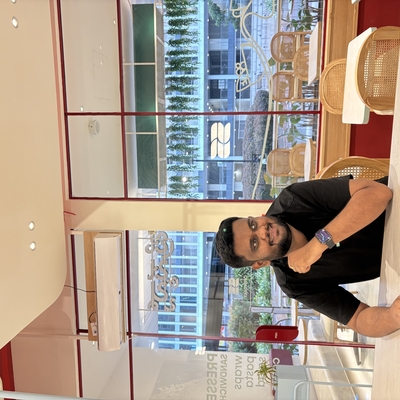
( SPEAKER )
Roopesh LR
Principal Engineer
Freo
Roopesh LR is an engineer at Freo, a consumer fintech app in India, where he works on the Flutter app and its backend integrations. He's drawn to the messy seam between client behavior and backend load — where a one-line UI change quietly becomes a distributed-systems problem — and to using production telemetry to find what a device debugger never shows. He is also the Author of AICEO Book which has been published in 160+ countries
Lightning talk
Keys That Never Leave the Chip: Secure Enclave & Hardware Keystore in Flutter
For a fintech app, "secure storage" isn't the finish line. You want keys the operating system itself can't export, gated behind a fingerprint or Face ID, usable to bind an account to a device and to sign transactions so they can't be repudiated. That means the real hardware: the iOS Secure Enclave and Android's hardware-backed Keystore / StrongBox — a separate secure chip, not your app's memory.
Flutter doesn't expose any of this in Dart, so this talk is how to reach it. We'll generate a non-exportable key inside the Secure Enclave / StrongBox via platform channels, gate its use behind biometrics, sign a server challenge for device binding and step-up auth, and use key attestation to prove to your backend that the key is genuinely hardware-backed — not a software fake. Then the sharp edges nobody warns you about: keys invalidating when the user re-enrolls a fingerprint, wildly varying device support, and what to safely fall back to.
You'll leave able to add hardware-rooted trust to a Flutter app instead of just hoping the sandbox holds.
bottom of page